
The transition from technical contributor to leadership role represents one of the most critical junctures in a woman's STEM career. Despite comprising nearly half of the overall workforce, women hold only 28% of STEM positions globally, and this percentage drops dramatically at senior leadership levels. Research demonstrates that women face distinct challenges during leadership transitions that require targeted strategies and organizational support to navigate successfully.
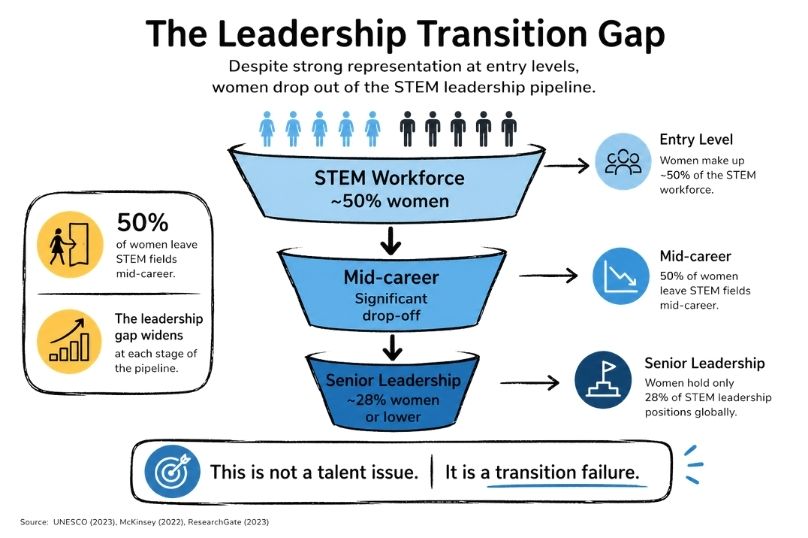
Current data reveals that 50% of women leave STEM fields mid-career, with inadequate leadership development and unclear advancement pathways cited as primary factors. Understanding these transition dynamics becomes essential for organizations seeking to retain top talent and for individual women planning strategic career advancement.
The Leadership Transition Challenge
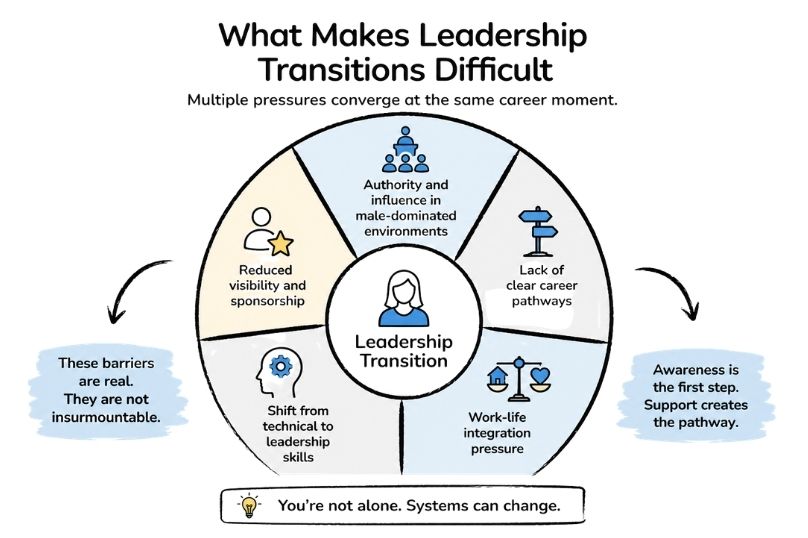
Women transitioning to leadership roles in STEM encounter multifaceted barriers that differ significantly from their male counterparts. Studies indicate that lack of clear career progression represents the most significant obstacle, contributing directly to the phenomenon where qualified women leave technical fields entirely rather than advance within them.
The transition challenge manifests in several key areas. Women must develop influence and authority in predominantly male environments where collaborative leadership styles may be undervalued. They navigate complex work-life integration demands while managing increased responsibilities. Additionally, many women report feeling unprepared for the "soft skills" required in leadership positions, having focused primarily on technical competencies throughout their early careers.
Research from the Leadership Lab for Women in STEM demonstrates that women benefit substantially from developmental relationships with mentors and coaches who provide both psychosocial support and career guidance. The study found that women particularly learn effectively through understanding the experiences and success stories of other accomplished women, making peer-based leadership development especially valuable for career transitions.
Evidence-Based Leadership Development Programs
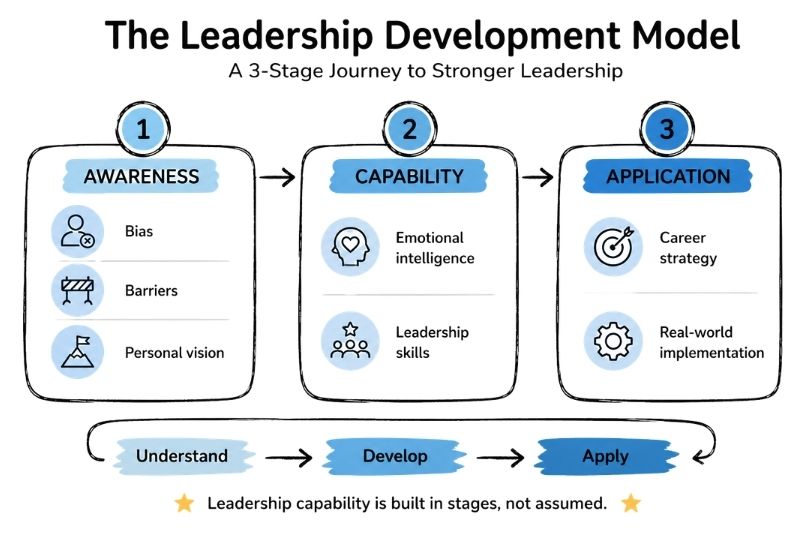
The Leadership Lab for Women in STEM, launched in 2014, represents a comprehensive research-based approach to supporting women's leadership transitions. The program operates through seven days of experiential learning across three modules spanning three months, with outcomes showing measurable improvements in participants' leadership capabilities.
The program's first module explores bias, barriers, and opportunities women face in STEM while helping participants develop personal vision statements. Module two builds skills in leadership effectiveness and emotional intelligence. The final module focuses on strategies for advancing professionally and personally, with emphasis on practical application in real workplace scenarios.
Led exclusively by female instructors with extensive STEM experience, the program addresses specific learning objectives: understanding complex factors impacting women in male-dominated professions, recognizing the unique value women bring to STEM workplaces, exploring factors for leadership effectiveness, and developing strategies to flourish both professionally and personally.
Early analysis reveals promising results, with participants reporting increased self-awareness, enhanced self-efficacy, and improved ability to persist and excel in their chosen professions. These improvements translate directly into stronger capacity to navigate leadership transitions and advance into senior positions.
Organizational Strategies for Supporting Transitions
Organizations play a pivotal role in facilitating successful leadership transitions through intentional structural changes and cultural shifts. Effective approaches combine policy modifications with cultural transformation initiatives that address systemic barriers.
Career Pathway Development
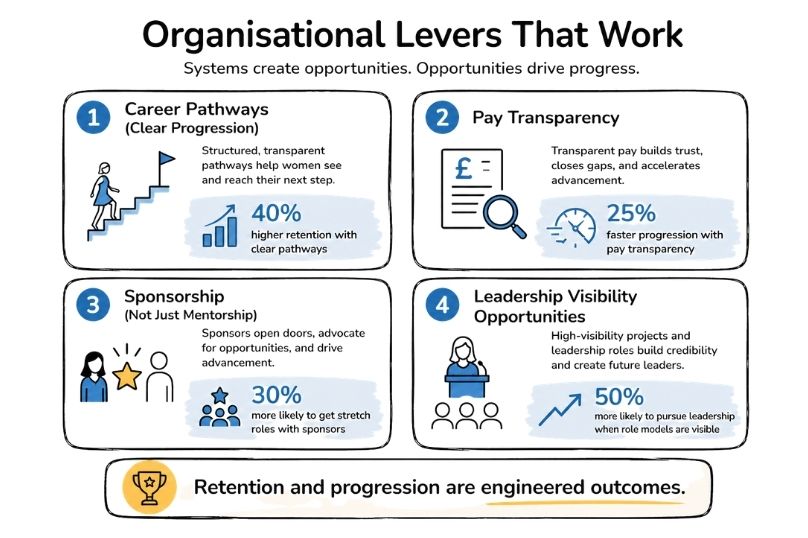
Structured leadership tracks provide transparent advancement routes that address the stagnation many women experience when pathways remain unclear or informal. Organizations implementing clear progression frameworks report 40% higher retention rates for women in technical roles. Pay transparency initiatives help address gender wage gaps that often accompany promotion decisions, with companies publishing salary bands experiencing 25% faster advancement rates for women.
Sponsorship programs, where senior leaders actively advocate for high-potential women, ensure visibility and active support for advancement opportunities. Research indicates that women with sponsors are 30% more likely to receive stretch assignments that build leadership credibility.
Leadership Development and Visibility
Intentionally identifying and developing women for leadership roles creates powerful momentum for organizational change. Companies combining formal leadership development programs with opportunities to lead challenging, visible projects report significant improvements in women's leadership pipeline strength.
This approach creates essential role models for emerging professionals while demonstrating organizational commitment to women's advancement. Data shows that when women see other women in leadership positions, they are 50% more likely to pursue leadership roles themselves.
Mentorship and Networking as Catalysts
Meaningful mentorship programs fundamentally transform women's early-career experiences and facilitate smoother leadership transitions. Effective mentorship requires structured programs with clear goals, combined with informal networking opportunities that extend beyond formal program parameters.
Research from Project Exploration demonstrates mentorship impact through longitudinal studies showing program alumni: primarily young women of color: were three times as likely to enroll in four-year colleges, with over one-third majoring in STEM-related disciplines. These outcomes highlight mentorship's long-term effectiveness in supporting career advancement.
Digital tools increasingly scale mentorship efforts, with organizations using online learning platforms and virtual mentorship to reach more women across geographic boundaries. Studies indicate that virtual mentorship programs maintain 85% of the effectiveness of in-person relationships while significantly expanding access.
Women-only leadership development programs receive specific recommendations, especially for populations lacking critical mass such as women in leadership positions. These spaces provide psychological safety and opportunities to learn from other women's experiences, creating supportive environments for skill development and confidence building.
Individual Development Strategies
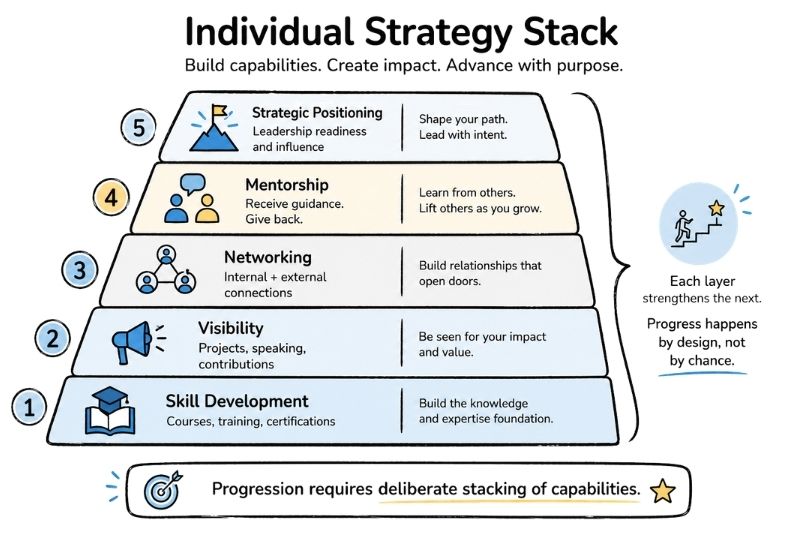
Women navigating leadership transitions benefit substantially from participation in leadership-based conferences, workshops, and speaker events. External learning opportunities, combined with formal leadership development courses and certifications, help women develop critical qualities including decision-making, strategic thinking, and resilience.
Beyond skill development, these events provide valuable networking opportunities that support long-term career growth. Research indicates that women who actively participate in professional development activities are 35% more likely to receive promotions within two years.
Mentoring other women while advancing into leadership roles strengthens one's own leadership capabilities through the process of sharing experiences and offering guidance. This approach helps build supportive networks while enhancing reputation and contributing to organizational cultures of collaboration and growth.
Creating Sustainable Change
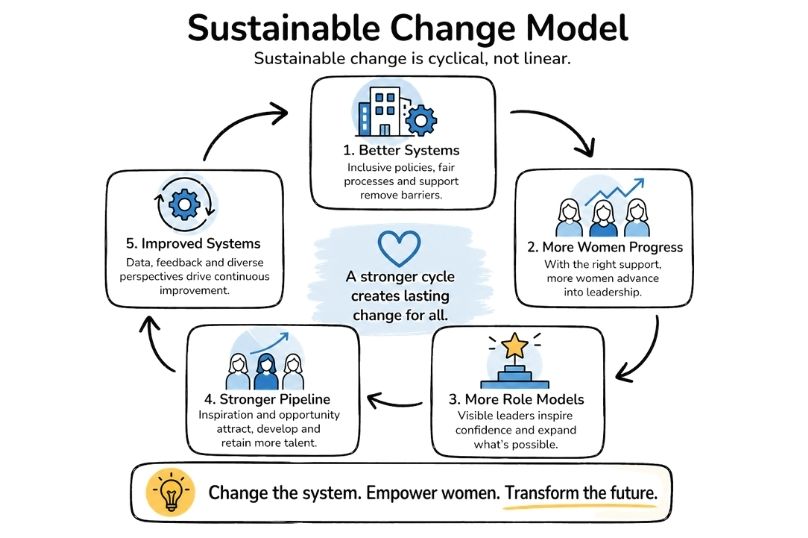
Successfully supporting women's leadership transitions requires addressing entrenched organizational practices and cultural narratives. Rather than focusing solely on fixing the "leaky pipeline" where women leave STEM, organizations must rebuild the sector's structural foundations by reforming recruitment practices, workplace culture, and institutional narratives that historically undervalue women's contributions.
This transformation involves reframing how technology and STEM leadership are portrayed, ensuring diverse role models are visible and accessible to emerging female professionals. Organizations implementing comprehensive approaches report 60% improvement in women's leadership advancement rates within three years.
The most effective strategies combine individual development support with systematic organizational change, recognizing that women's leadership transitions depend on both personal capability-building and structural reforms that create genuine pathways to advancement.
Organizations committed to supporting women's leadership transitions must invest in comprehensive approaches that address both individual development needs and systemic barriers. The data consistently demonstrates that when women receive targeted support during leadership transitions, they not only succeed personally but contribute to organizational innovation and performance improvements that benefit entire companies.
For women currently navigating leadership transitions in STEM, the research clearly indicates that seeking mentorship, participating in structured development programs, and building strong professional networks significantly improve advancement outcomes. The landscape for women in STEM leadership continues evolving, with increasing organizational recognition of the business case for gender diversity driving expanded support for women's career advancement.